

Exclusions in Business Insurance Policies: What’s Not Covered?
Insurance Neighbor • August 4, 2025
When purchasing business insurance, many policyholders focus on what is covered. But just as important is understanding what is not. These uncovered situations, known as exclusions, can leave your business vulnerable if you’re not careful. Knowing how exclusions work can help you choose smarter coverage and avoid costly surprises.
What “Exclusion” Actually Means
An exclusion is any situation, condition, or type of damage your insurance policy states are not covered. These clauses are in the fine print of your policy. They are essential for understanding your actual level of insurance protection. Exclusions exist to limit the insurer’s risk, clarify the scope of coverage, and often reduce premium costs. Failing to account for exclusions can result in denied claims when you need help most.
Common Exclusions
Most business insurance policies include several standard exclusions. These can include:
- Wear and tear : Damage from normal use over time is usually not covered.
- Intentional acts : Deliberate damage or criminal activity by the business owner or employees is typically excluded from coverage.
- Cyber incidents : Many standard policies do not include coverage for data breaches, ransomware, or other cyber events unless cyber liability insurance is purchased separately.
- Contract disputes : Breaches of contract are generally excluded unless specifically addressed with endorsements.
These exclusions can affect general liability, commercial property, and even professional liability policies. Always read the exclusions section to understand the limitations of your coverage.
Industry-Specific Exclusions to Watch For
Some exclusions vary based on your industry. For example:
- Construction : Exclusions may apply to work performed by subcontractors or damage resulting from poor craft.
- Healthcare : Claims related to malpractice or HIPAA violations often require specialized medical liability coverage.
- Retail : Shoplifting losses or customer data breaches may be excluded unless specifically covered in the policy.
- Technology : General business policies may not cover errors and omissions in software development or system implementation.
Every industry has unique risks, and your policy must be tailored to address them.
Riders and Endorsements Explained
Fortunately, many exclusions can be addressed through riders or endorsements. These are policy add-ons that provide additional protection for risks not included in a standard policy. For instance:
- A cyber liability endorsement can help cover expenses related to data breaches.
- A contractual liability rider can extend coverage to specific agreements.
- A pollution endorsement may cover environmental damage, which is often excluded from standard policies.
Ask your insurance provider about available riders that may help close critical gaps in your coverage.
The Fine Print Checklist: Questions to Ask Your Broker
When reviewing your business insurance, consider asking:
- What exclusions apply to each policy I hold?
- Are there any risks in my industry that are not covered by this policy?
- What riders or endorsements can I add?
- Are there bundled options that better suit my business?
- Can you provide examples of claims that would be denied under this policy?
These questions can help you uncover coverage limitations and make informed decisions.
Build Smarter Coverage for Your Business
Don’t let hidden exclusions derail your protection. Our agency can help you identify potential gaps and build a policy that fits your business needs. Contact us at [bf_location field=company_name] to schedule a review of your current business insurance and ensure you’re protected where it counts most.
Recent Posts

By Insurance Neighbor
•
August 16, 2026
Summer is peak season for recreational vehicles. Whether you're out on the water with a boat, exploring the country in an RV, or hitting a trail on an ATV, August brings some of the highest usage of the year for these vehicles, and that makes it a great time to make sure your insurance coverage is in order. Many people assume their standard auto or…

By Insurance Neighbor
•
August 1, 2026
Every August, millions of families prepare for back-to-school, and for households with a newly licensed teen, that checklist includes an important question: Is your auto insurance ready? Adding a teenager to your auto insurance policy is one of the most significant coverage changes a family can make. Teen drivers are statistically among the highest-risk drivers on the road, which affects both your coverage needs and…
By Insurance Neighbor
•
July 19, 2026
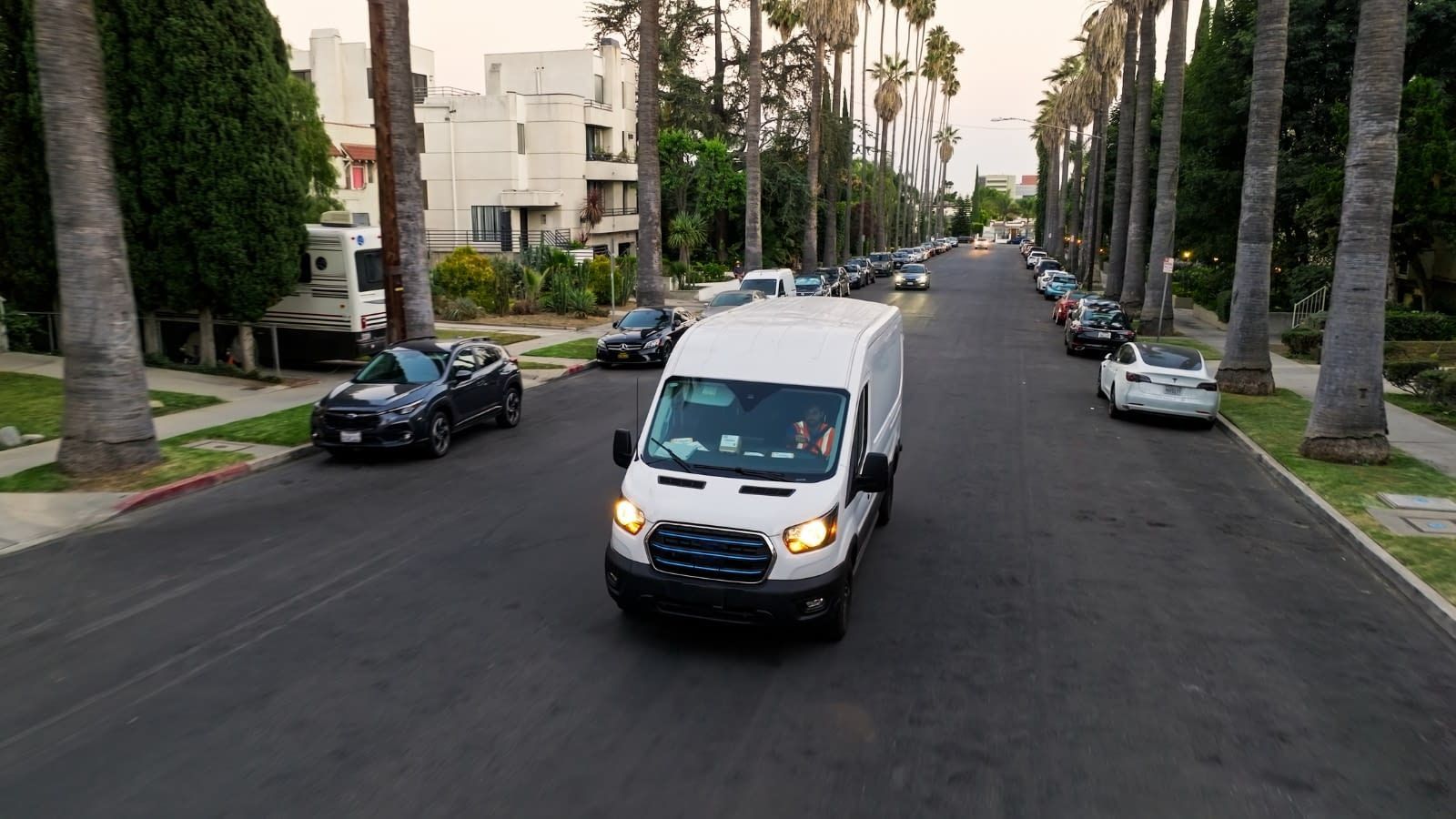
Whether your business relies on a single work truck or a fleet of delivery vans, the vehicles you use for business purposes likely need more than a standard personal auto insurance policy. Commercial auto insurance is designed to cover vehicles used for business operations and can provide protections that personal policies typically do not. Understanding the difference between the two can help business owners avoid…

By Insurance Neighbor
•
July 16, 2026
If you rent your home, apartment, or condo, you may assume that your landlord's insurance policy protects your belongings. Unfortunately, that's a common misconception—and a costly one. A landlord's insurance policy typically covers the physical structure of the building but not the personal property of the people who live in it. Renters insurance is designed to fill that gap, and it's often more affordable than…

By Insurance Neighbor
•
July 4, 2026
When most people think of cyberattacks, they picture large corporations making headline news after a major data breach. But the reality is that small businesses are frequent targets of cybercriminals—and often less prepared to handle the financial and operational fallout. Cyber liability insurance is designed to help businesses manage the costs associated with data breaches, ransomware attacks, and other cyber incidents. If your business stores…

By Insurance Neighbor
•
July 1, 2026
Rideshare driving has become a popular way for millions of Americans to earn extra income. Whether you drive for a transportation network company full time or just on weekends, it's important to understand how your auto insurance applies—and where it may fall short. Many drivers are surprised to learn that their personal auto insurance policy may not cover them while they're working on a rideshare…

By Insurance Neighbor
•
June 18, 2026
If you own a small or medium-sized business, you've probably heard the term "Business Owner's Policy" or BOP. It's one of the most common types of commercial insurance, but many business owners aren't sure exactly what it includes — or whether it's the right fit for their needs. Here's a clear breakdown. What Does a BOP Include? A Business Owner's Policy typically combines three core…

By Insurance Neighbor
•
June 16, 2026
School is out, the days are longer, and millions of Americans are gearing up for summer road trips. Before you load up the car and point it toward the horizon, it's worth taking a few minutes to understand what your auto insurance covers — and where the gaps might be. Does Your Current Coverage Travel With You? Good news: your personal auto insurance generally follows…

By Insurance Neighbor
•
June 4, 2026
For many businesses, summer is the busiest and most profitable time of year. From restaurants and retail shops to contractors and event venues, the warmer months bring increased foot traffic, more employees, and new operational challenges. That also means new risks — and it's worth making sure your business insurance is ready for the season ahead. Increased Foot Traffic and Premises Liability More customers on…