
Key Questions for Your Business Insurance Renewal

Insurance Neighbor • March 4, 2026

Share this article

Person writing in a notebook at a desk in a workshop, with tools and equipment in the background
Your upcoming policy renewal constitutes a crucial business risk checkup rather than just another administrative bill to pay. As your company grows and evolves over the next 12 months, your baseline exposure to operational risks naturally shifts in parallel.
Expanding operations by adding new locations, purchasing upgraded equipment, launching new services, or hiring extra staff significantly changes your specific liability profile. Factors that affect the rate you receive for the product include updated payroll figures, new class codes, changes in total revenue, your recent loss history, and your specific industry and locations.

Evaluating Business Changes Since Last Year

Assessing recent operational hiccups helps you implement stronger preventative measures before finalizing your upcoming coverage terms. You must review the recent claims and evaluate which internal procedures were changed to prevent similar incidents.
Implementing formalized safety training and enforcing updated written procedures demonstrates a proactive dedication to long-term risk management. Taking these precise steps can positively influence your premium calculations over time.
You must also evaluate evolving vendor or landlord demands regarding a specific contract and certificate requirements. Securing the correct additional insured endorsements, processing subrogation waivers, and dealing with contractual liability keep you compliant with your professional partners.

Essential Coverage Review Checklist

Conducting a structured audit of your specific policy limits ensures your growing enterprise remains adequately protected against modern financial threats. Discussing these distinct areas with an experienced professional helps clarify your exact financial vulnerabilities before a severe incident actually occurs.
Taking the time to adjust your specific terms ensures your coverage is properly aligned with your current operating scale.
Consider these five essential elements when evaluating your commercial portfolio:

  • General Liability Limits: Reviewing your base general liability limits confirms you have sufficient financial protection against third-party claims. Adding a commercial umbrella policy provides an essential layer of coverage beyond those primary limits. This combination creates a strong shield for your business assets.
  • Property Valuations: Updating your commercial property limits ensures your physical assets have accurate, modern valuations. Properly calculating appropriate business interruption limits ensures your company can survive unexpected operational closures. Accurate data prevents high out-of-pocket costs during a recovery.
  • Specialty Protections: Evaluating your exposure to digital threats helps determine your exact need for a dedicated cyber insurance policy. Exploring employment practices liability insurance, or EPLI, protects your bottom line against expensive workplace lawsuits. These niche coverages address risks that standard policies commonly exclude.
  • Deductible Strategies: Exploring different deductible options provides a direct way to adjust your annual premium costs up or down. Discussing specific loss-sensitive structures with your agent helps you take more control over your long-term insurance expenses. Handling risk retention with premium savings is a key financial tactic.
  • Payment Structures: Consolidating your various policies by bundling coverages often unlocks valuable discounts for your growing organization. Setting up predictable payment plans smooths out your monthly cash flow while keeping your essential protections fully active. Consistent billing helps maintain professional economic security.

Securing adequate protection entails a proactive approach to your annual review process rather than just automatically renewing outdated terms. Our local
can help you find the best quote in the area for comprehensive business insurance that properly matches your current operations. Reach out to our dedicated team today at
to schedule your personalized risk assessment.
Proactive insurance management is the most effective way to safeguard your assets against the unexpected. By reviewing your coverage and preserving detailed property records now, you ensure a faster recovery and greater peace of mind for the future.

Recent Posts

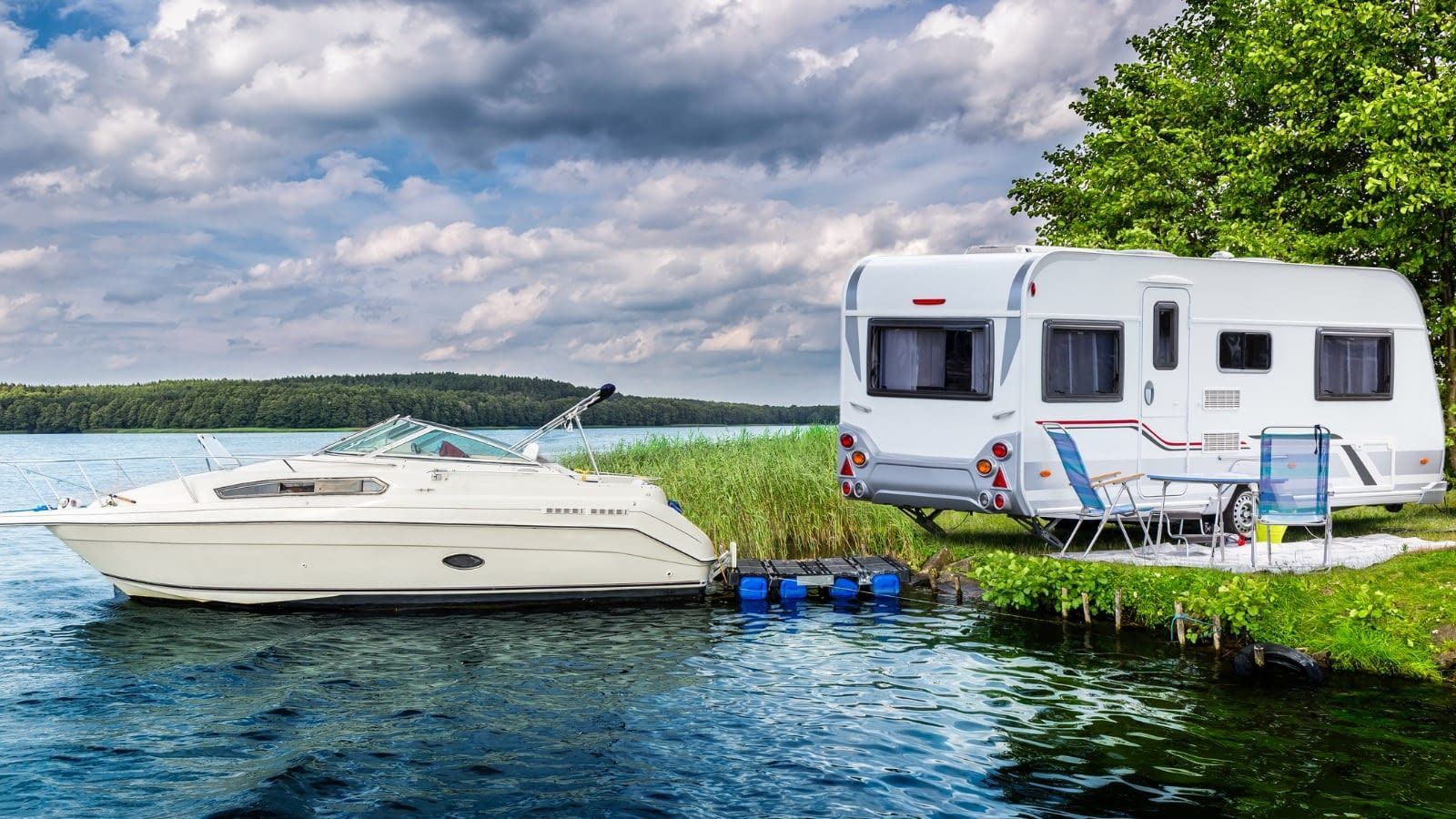
White boat docked beside a white camper on a grassy lakeshore under a cloudy sky.
By Insurance Neighbor • August 16, 2026
Summer is peak season for recreational vehicles. Whether you're out on the water with a boat, exploring the country in an RV, or hitting a trail on an ATV, August brings some of the highest usage of the year for these vehicles, and that makes it a great time to make sure your insurance coverage is in order. Many people assume their standard auto or…

Man reviewing papers at a café table with a laptop, smartphone, and white chair beside him
By Insurance Neighbor • August 4, 2026
What general liability insurance covers and why every Albany, NY small business needs it. V. Mathis Insurance Agency, 20+ years local. Request a quote today.

Two people sitting in a car, one driving and one in the passenger seat, both smiling.
By Insurance Neighbor • August 1, 2026
Every August, millions of families prepare for back-to-school, and for households with a newly licensed teen, that checklist includes an important question: Is your auto insurance ready? Adding a teenager to your auto insurance policy is one of the most significant coverage changes a family can make. Teen drivers are statistically among the highest-risk drivers on the road, which affects both your coverage needs and…

White cargo van driving down a palm-lined residential street at dusk.
By Insurance Neighbor • July 19, 2026
Whether your business relies on a single work truck or a fleet of delivery vans, the vehicles you use for business purposes likely need more than a standard personal auto insurance policy. Commercial auto insurance is designed to cover vehicles used for business operations and can provide protections that personal policies typically do not. Understanding the difference between the two can help business owners avoid…

Two people carrying boxes up stairs in a bright apartment during a move
By Insurance Neighbor • July 16, 2026
If you rent your home, apartment, or condo, you may assume that your landlord's insurance policy protects your belongings. Unfortunately, that's a common misconception—and a costly one. A landlord's insurance policy typically covers the physical structure of the building but not the personal property of the people who live in it. Renters insurance is designed to fill that gap, and it's often more affordable than…

Two coworkers collaborating at a desk with dual monitors in a bright office
By Insurance Neighbor • July 4, 2026
When most people think of cyberattacks, they picture large corporations making headline news after a major data breach. But the reality is that small businesses are frequent targets of cybercriminals—and often less prepared to handle the financial and operational fallout. Cyber liability insurance is designed to help businesses manage the costs associated with data breaches, ransomware attacks, and other cyber incidents. If your business stores…

Two men in a car, one driving and one in the back seat drinking from a bottle
By Insurance Neighbor • July 1, 2026
Rideshare driving has become a popular way for millions of Americans to earn extra income. Whether you drive for a transportation network company full time or just on weekends, it's important to understand how your auto insurance applies—and where it may fall short. Many drivers are surprised to learn that their personal auto insurance policy may not cover them while they're working on a rideshare…

Person writing at a desk in a workshop, with boxes and tools on the walls and a laptop nearby.
By Insurance Neighbor • June 18, 2026
If you own a small or medium-sized business, you've probably heard the term "Business Owner's Policy" or BOP. It's one of the most common types of commercial insurance, but many business owners aren't sure exactly what it includes — or whether it's the right fit for their needs. Here's a clear breakdown. What Does a BOP Include? A Business Owner's Policy typically combines three core…

Two people laughing in a car, one driving and one clapping, with bright sunlight streaming in.
By Insurance Neighbor • June 16, 2026
School is out, the days are longer, and millions of Americans are gearing up for summer road trips. Before you load up the car and point it toward the horizon, it's worth taking a few minutes to understand what your auto insurance covers — and where the gaps might be. Does Your Current Coverage Travel With You? Good news: your personal auto insurance generally follows…

Person in apron writing on a clipboard at an outdoor coffee cart
By Insurance Neighbor • June 4, 2026
For many businesses, summer is the busiest and most profitable time of year. From restaurants and retail shops to contractors and event venues, the warmer months bring increased foot traffic, more employees, and new operational challenges. That also means new risks — and it's worth making sure your business insurance is ready for the season ahead. Increased Foot Traffic and Premises Liability More customers on…
Show More