

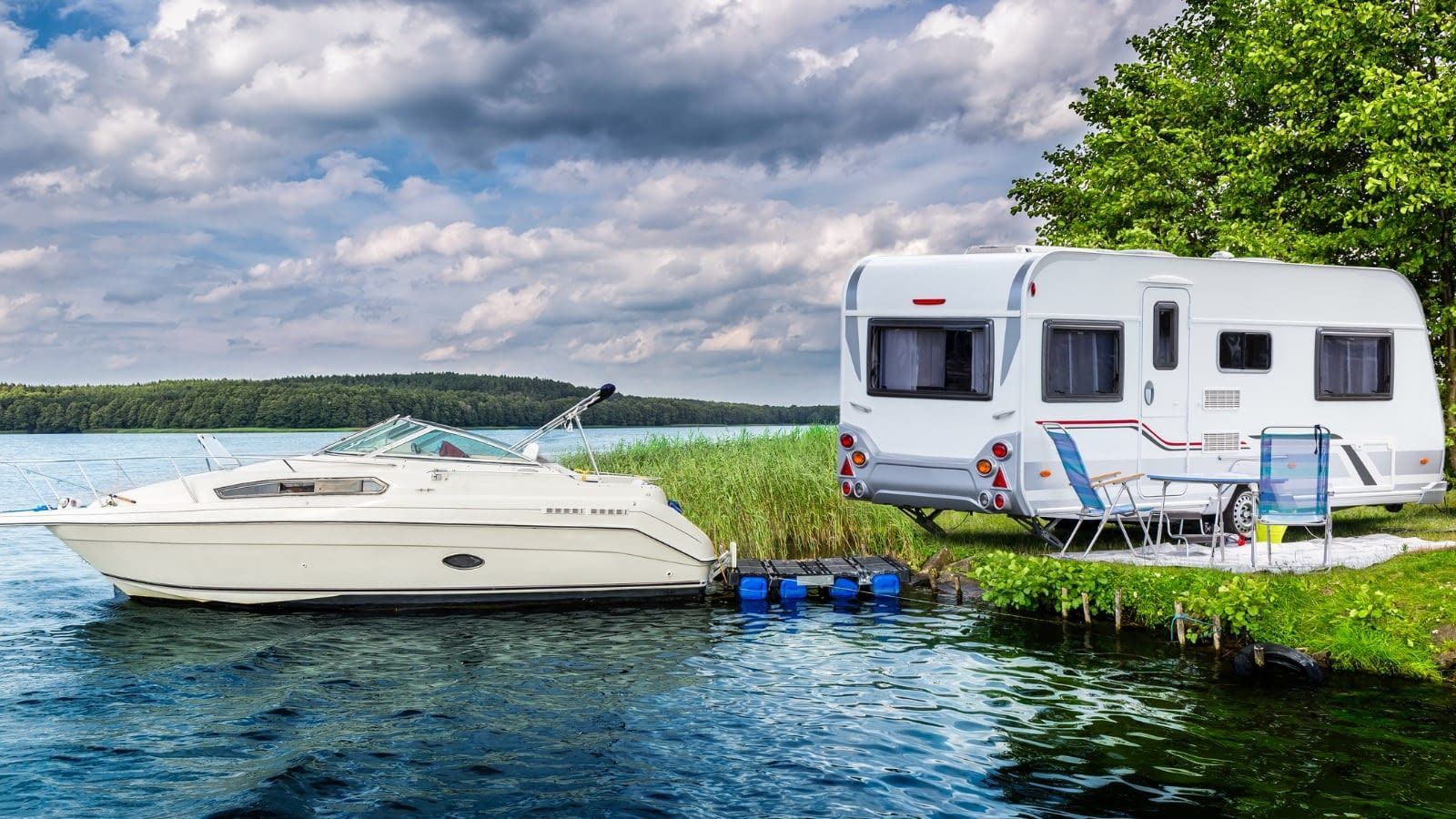
Summer is peak season for recreational vehicles. Whether you're out on the water with a boat, exploring the country in an RV, or hitting a trail on an ATV, August brings some of the highest usage of the year for these vehicles, and that makes it a great time to make sure your insurance coverage is in order. Many people assume their standard auto or…

What general liability insurance covers and why every Albany, NY small business needs it. V. Mathis Insurance Agency, 20+ years local. Request a quote today.

Every August, millions of families prepare for back-to-school, and for households with a newly licensed teen, that checklist includes an important question: Is your auto insurance ready? Adding a teenager to your auto insurance policy is one of the most significant coverage changes a family can make. Teen drivers are statistically among the highest-risk drivers on the road, which affects both your coverage needs and…
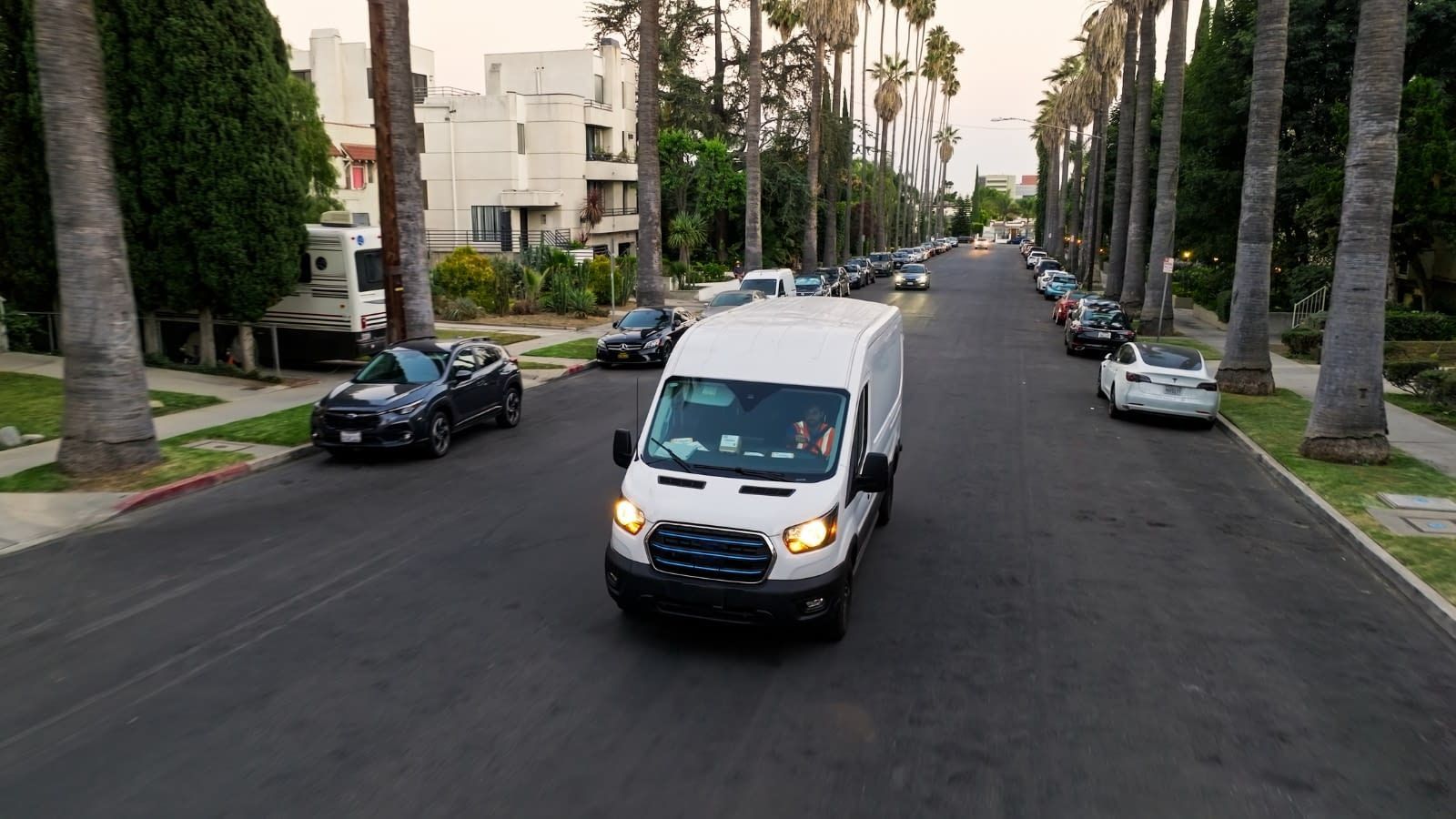
Whether your business relies on a single work truck or a fleet of delivery vans, the vehicles you use for business purposes likely need more than a standard personal auto insurance policy. Commercial auto insurance is designed to cover vehicles used for business operations and can provide protections that personal policies typically do not. Understanding the difference between the two can help business owners avoid…

If you rent your home, apartment, or condo, you may assume that your landlord's insurance policy protects your belongings. Unfortunately, that's a common misconception—and a costly one. A landlord's insurance policy typically covers the physical structure of the building but not the personal property of the people who live in it. Renters insurance is designed to fill that gap, and it's often more affordable than…

When most people think of cyberattacks, they picture large corporations making headline news after a major data breach. But the reality is that small businesses are frequent targets of cybercriminals—and often less prepared to handle the financial and operational fallout. Cyber liability insurance is designed to help businesses manage the costs associated with data breaches, ransomware attacks, and other cyber incidents. If your business stores…
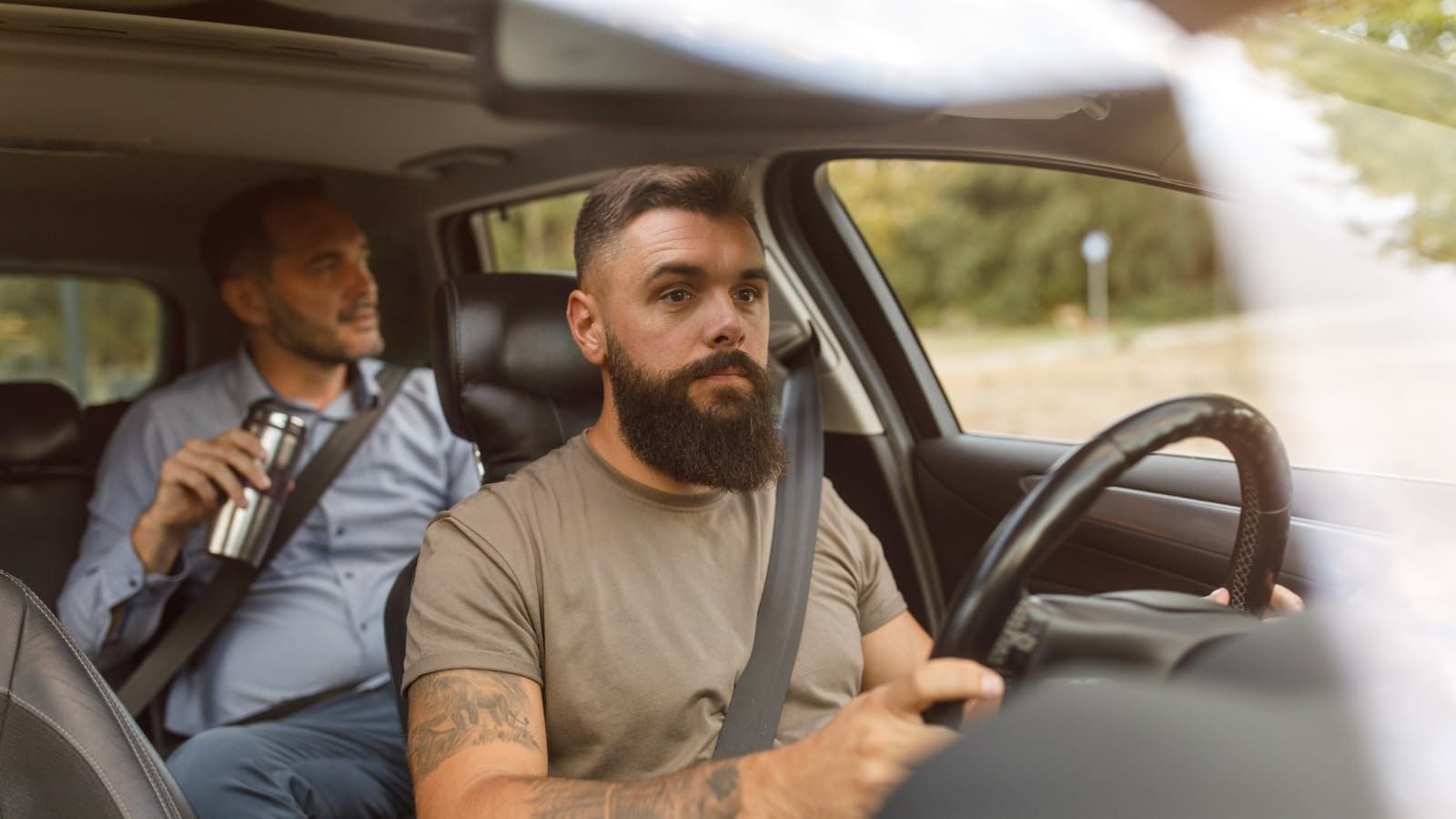
Rideshare driving has become a popular way for millions of Americans to earn extra income. Whether you drive for a transportation network company full time or just on weekends, it's important to understand how your auto insurance applies—and where it may fall short. Many drivers are surprised to learn that their personal auto insurance policy may not cover them while they're working on a rideshare…

If you own a small or medium-sized business, you've probably heard the term "Business Owner's Policy" or BOP. It's one of the most common types of commercial insurance, but many business owners aren't sure exactly what it includes — or whether it's the right fit for their needs. Here's a clear breakdown. What Does a BOP Include? A Business Owner's Policy typically combines three core…

School is out, the days are longer, and millions of Americans are gearing up for summer road trips. Before you load up the car and point it toward the horizon, it's worth taking a few minutes to understand what your auto insurance covers — and where the gaps might be. Does Your Current Coverage Travel With You? Good news: your personal auto insurance generally follows…

For many businesses, summer is the busiest and most profitable time of year. From restaurants and retail shops to contractors and event venues, the warmer months bring increased foot traffic, more employees, and new operational challenges. That also means new risks — and it's worth making sure your business insurance is ready for the season ahead. Increased Foot Traffic and Premises Liability More customers on…