
5 Steps to Protect Your Home from Carbon Monoxide

Insurance Neighbor • November 2, 2024

Share this article

Bright minimalist bedroom with white walls, bed, bedside lamps, and a ceiling-mounted smoke detector above.
Carbon monoxide (CO) is a colorless, odorless, and tasteless gas produced when any carbon-based substance is burned to create heat or energy. If inhaled in small quantities, carbon monoxide causes dizziness, weakness, headaches, vomiting, and chest pain. When inhaled in more significant amounts, the gas is fatal for children and adults. If a person is asleep or intoxicated when they begin to breathe carbon monoxide, they may not experience any symptoms before they die. 
November has been called “Carbon Monoxide Awareness Month,” as November is typically the onset of colder weather when people are more likely to misuse fuel-burning appliances to create warmth—inadvertently poisoning themselves or their loved ones. Every year, 100,000 Americans visit the emergency room for carbon monoxide poisoning, and more than 400 die, as reported by the
. Understanding how to protect your home from carbon monoxide poisoning is essential to staying well during the winter and year-round. 

1. Install Carbon Monoxide Alarms 

The only way poisonous carbon monoxide gas can be detected is with a carbon monoxide alarm, as the gas is odorless. Alarms should be installed on all floors and placed within 15 feet of bedrooms and sleeping areas. Test the alarms to ensure they are loud enough to wake you if you are sleeping. Be sure to check the alarms’ batteries regularly. A good rule is to check the batteries in these units when you change the clocks. Test the devices to ensure they are functional each month. 

2. Avoid Using Fuel-Burning Devices Incorrectly

Any device or machine that burns gas, wood, oil, or charcoal can produce carbon monoxide. Some examples include furnaces, gas stoves, generators, fireplaces, water heaters, and automobiles. You can put your life and the lives of your loved ones at risk by misusing fuel-burning units or failing to ensure the exhaust is directed out of and away from the home. Here are some common points to watch for: 

  • Stoves should never be used as space heaters.
  • Gas generators must always be located outside of the house. 
  • Chimneys must be clear and unobstructed before starting a fire.
  • Generally, exercise caution and read directions when dealing with fuel-burning devices to avoid CO poisoning. 
  • Coal must never be burned inside a home.

3. Maintain Existing Gas or Fuel Burning Appliances

Most homes today have appliances that burn fuel. Be sure that your existing gas-burning devices are maintained, with no leaks or broken pieces, and that they are correctly ventilated. Hire a professional to check for damage or blockages regularly so your appliances are safe and operating as they should. 

4. Ensure Proper Ventilation in Your Home

In addition to ensuring each gas-burning appliance has a correctly fitted exhaust pipe, review your home’s ventilation to ensure it cannot become a carbon monoxide trap. For safety and general health, verify that fresh air can get in and out of your home as it should.

5. Develop an Emergency Escape Plan

Once a CO alarm goes off, it is imperative to leave the house immediately and call 911 for help. The longer any person in the household breathes the gas, the more likely they will experience severe or even fatal consequences. If the CO detector goes off, create an emergency escape plan for your family or group to meet at a set location, like a tree or mailbox. From here, you can contact the authorities. You can return home after the carbon monoxide leak is resolved and your home is safe—not before. 

Stay Safe with Peace of Mind

By installing alarms, avoiding heating unit misuse, maintaining the home, and establishing an emergency escape plan, you can help keep your family safe from carbon monoxide poisoning. One more thing that will give you peace of mind is good personal insurance coverage. Talk to one of our helpful local agents today about an appropriate plan that covers medical bills, lost income, and property damage associated with carbon monoxide. 

Recent Posts

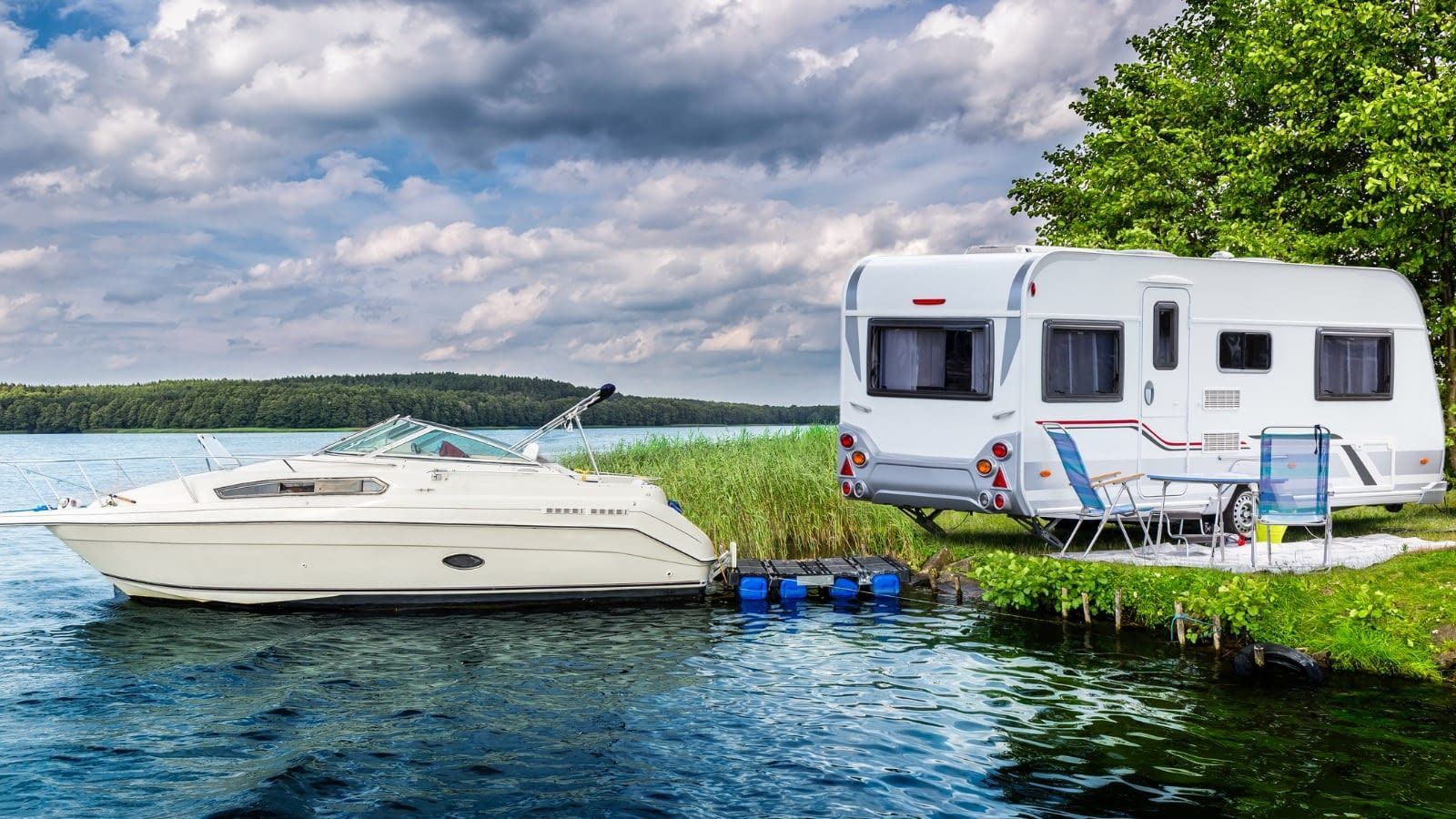
White boat docked beside a white camper on a grassy lakeshore under a cloudy sky.
By Insurance Neighbor • August 16, 2026
Summer is peak season for recreational vehicles. Whether you're out on the water with a boat, exploring the country in an RV, or hitting a trail on an ATV, August brings some of the highest usage of the year for these vehicles, and that makes it a great time to make sure your insurance coverage is in order. Many people assume their standard auto or…

Man reviewing papers at a café table with a laptop, smartphone, and white chair beside him
By Insurance Neighbor • August 4, 2026
What general liability insurance covers and why every Albany, NY small business needs it. V. Mathis Insurance Agency, 20+ years local. Request a quote today.

Two people sitting in a car, one driving and one in the passenger seat, both smiling.
By Insurance Neighbor • August 1, 2026
Every August, millions of families prepare for back-to-school, and for households with a newly licensed teen, that checklist includes an important question: Is your auto insurance ready? Adding a teenager to your auto insurance policy is one of the most significant coverage changes a family can make. Teen drivers are statistically among the highest-risk drivers on the road, which affects both your coverage needs and…

White cargo van driving down a palm-lined residential street at dusk.
By Insurance Neighbor • July 19, 2026
Whether your business relies on a single work truck or a fleet of delivery vans, the vehicles you use for business purposes likely need more than a standard personal auto insurance policy. Commercial auto insurance is designed to cover vehicles used for business operations and can provide protections that personal policies typically do not. Understanding the difference between the two can help business owners avoid…

Two people carrying boxes up stairs in a bright apartment during a move
By Insurance Neighbor • July 16, 2026
If you rent your home, apartment, or condo, you may assume that your landlord's insurance policy protects your belongings. Unfortunately, that's a common misconception—and a costly one. A landlord's insurance policy typically covers the physical structure of the building but not the personal property of the people who live in it. Renters insurance is designed to fill that gap, and it's often more affordable than…

Two coworkers collaborating at a desk with dual monitors in a bright office
By Insurance Neighbor • July 4, 2026
When most people think of cyberattacks, they picture large corporations making headline news after a major data breach. But the reality is that small businesses are frequent targets of cybercriminals—and often less prepared to handle the financial and operational fallout. Cyber liability insurance is designed to help businesses manage the costs associated with data breaches, ransomware attacks, and other cyber incidents. If your business stores…

Two men in a car, one driving and one in the back seat drinking from a bottle
By Insurance Neighbor • July 1, 2026
Rideshare driving has become a popular way for millions of Americans to earn extra income. Whether you drive for a transportation network company full time or just on weekends, it's important to understand how your auto insurance applies—and where it may fall short. Many drivers are surprised to learn that their personal auto insurance policy may not cover them while they're working on a rideshare…

Person writing at a desk in a workshop, with boxes and tools on the walls and a laptop nearby.
By Insurance Neighbor • June 18, 2026
If you own a small or medium-sized business, you've probably heard the term "Business Owner's Policy" or BOP. It's one of the most common types of commercial insurance, but many business owners aren't sure exactly what it includes — or whether it's the right fit for their needs. Here's a clear breakdown. What Does a BOP Include? A Business Owner's Policy typically combines three core…

Two people laughing in a car, one driving and one clapping, with bright sunlight streaming in.
By Insurance Neighbor • June 16, 2026
School is out, the days are longer, and millions of Americans are gearing up for summer road trips. Before you load up the car and point it toward the horizon, it's worth taking a few minutes to understand what your auto insurance covers — and where the gaps might be. Does Your Current Coverage Travel With You? Good news: your personal auto insurance generally follows…

Person in apron writing on a clipboard at an outdoor coffee cart
By Insurance Neighbor • June 4, 2026
For many businesses, summer is the busiest and most profitable time of year. From restaurants and retail shops to contractors and event venues, the warmer months bring increased foot traffic, more employees, and new operational challenges. That also means new risks — and it's worth making sure your business insurance is ready for the season ahead. Increased Foot Traffic and Premises Liability More customers on…
Show More