
What to Do After Being Hacked

Insurance Neighbor • October 19, 2024

Share this article

Hands typing on a laptop with a digital lock icon overlay, suggesting online security.
October is National Cyber Security Month, a time to focus on the rising threat of cyberattacks and hacking incidents. With the increasing prevalence of digital threats, businesses and individuals risk falling victim to hackers. If you discover you’ve been hacked, acting quickly to mitigate damage and secure your information is essential. This guide outlines the immediate steps to recover from a hack and prevent future incidents.

Assess the Situation

Once you’ve discovered a hack, the first step is to investigate the extent of the breach. Determine how the attack happened, which systems were compromised, and what data may have been exposed. If necessary, contact cybersecurity professionals who can assist in diagnosing the problem. At this stage, you must notify your legal team and insurance provider. Your business insurance may include cyber liability coverage, which can help offset the financial losses associated with a breach.

Outreach

Depending on the nature of the attack, you may need to disclose the incident to employees, customers, or other stakeholders. Transparency is critical when data has been compromised, as individuals affected by the breach must take steps to protect themselves. Inform them about the situation and provide guidance on what actions they should take, such as changing their passwords or monitoring their accounts for unusual activity.

Secure Your Accounts

Change Passwords Immediately

One of the first actions after being hacked is to change the passwords for all compromised accounts. Ensure that each password is strong, unique, and not easily guessed. Use a combination of uppercase and lowercase letters, numbers, and special characters to make it harder for hackers to gain access again. Consider using a password manager to help generate and store complex passwords securely.

Enable Two-Factor Authentication (2FA)

Adding an extra layer of security by enabling two-factor authentication (2FA) is an essential step in safeguarding your accounts. 2FA requires a second verification form, such as a code sent to your phone and your password. Doing so can significantly reduce the chances of unauthorized access, even if your password is compromised.

Review Account Activity

After securing your accounts, review recent activity to check for unauthorized access or suspicious transactions. Look for unfamiliar logins, changes in account settings, or unexpected charges. If you find any unauthorized actions, immediately report them to the relevant institutions, such as your bank or credit card company.

Assess the Damage

In the aftermath of a hack, it’s essential to identify the full extent of the damage. Determine what data was compromised and whether any sensitive information, such as financial or personal details, was exposed. Notify relevant parties, such as banks and credit card companies, if you believe your financial data was affected. Taking swift action can help minimize the long-term consequences of the breach.

Prevent Future Hacks

Once you’ve addressed the immediate crisis, focus on preventing future attacks. Start by updating all software, including operating systems and antivirus programs, to protect your devices against the latest threats. Educate yourself and your team on cybersecurity best practices, such as recognizing phishing emails and avoiding suspicious links or downloads.

Act Fast to Minimize the Damage from a Hack

A swift, organized response is necessary to minimize the damage caused by a hack. By assessing the situation, securing your accounts, and taking preventive measures, you can recover from the incident and reduce the likelihood of future attacks. If the breach is significant, consider seeking professional help from cybersecurity experts. In the meantime, our team is here for you. Give one of our local insurance agents a call today for more information on how cyber liability insurance can protect your business.

Recent Posts

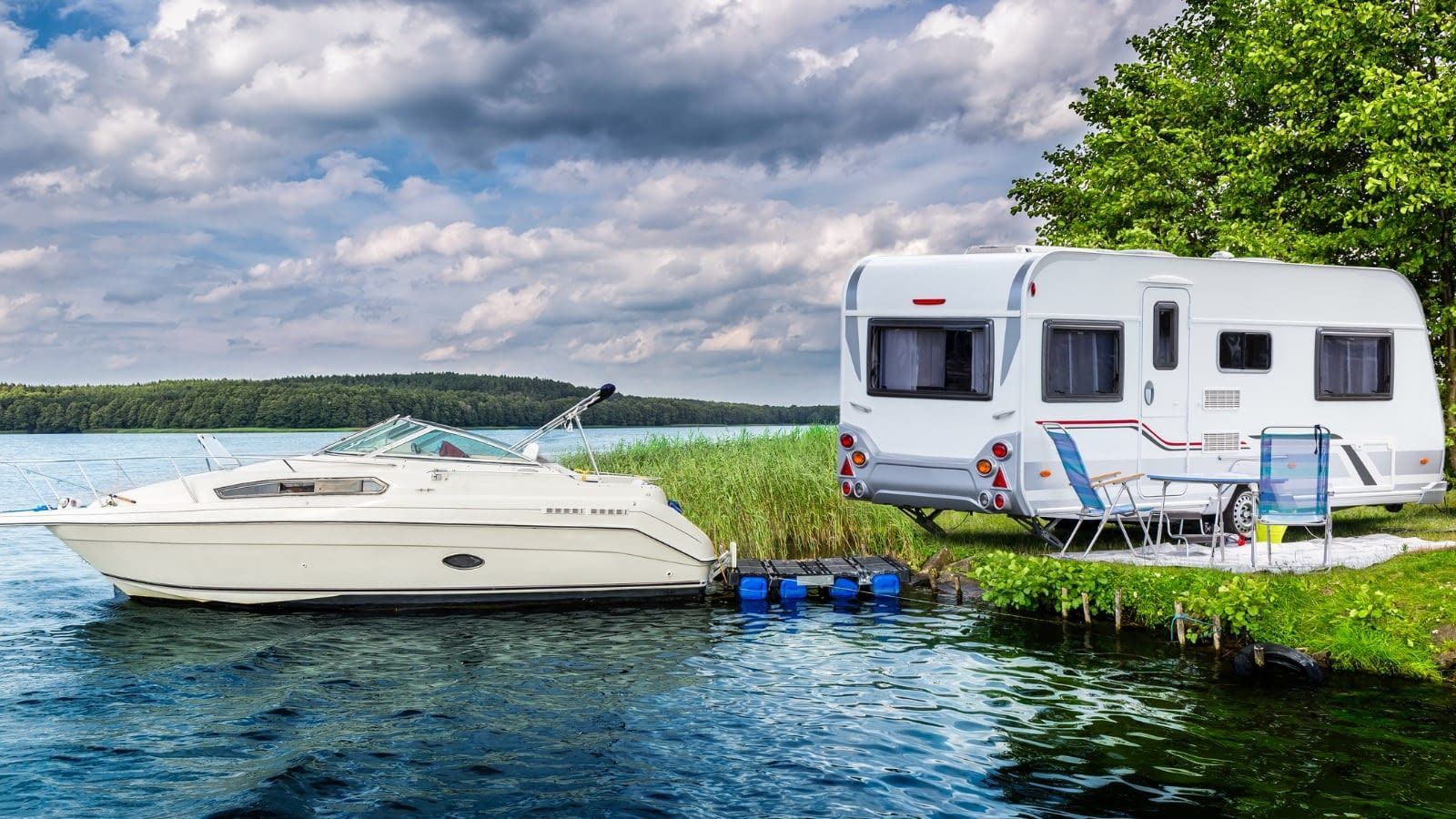
White boat docked beside a white camper on a grassy lakeshore under a cloudy sky.
By Insurance Neighbor • August 16, 2026
Summer is peak season for recreational vehicles. Whether you're out on the water with a boat, exploring the country in an RV, or hitting a trail on an ATV, August brings some of the highest usage of the year for these vehicles, and that makes it a great time to make sure your insurance coverage is in order. Many people assume their standard auto or…

Man reviewing papers at a café table with a laptop, smartphone, and white chair beside him
By Insurance Neighbor • August 4, 2026
What general liability insurance covers and why every Albany, NY small business needs it. V. Mathis Insurance Agency, 20+ years local. Request a quote today.

Two people sitting in a car, one driving and one in the passenger seat, both smiling.
By Insurance Neighbor • August 1, 2026
Every August, millions of families prepare for back-to-school, and for households with a newly licensed teen, that checklist includes an important question: Is your auto insurance ready? Adding a teenager to your auto insurance policy is one of the most significant coverage changes a family can make. Teen drivers are statistically among the highest-risk drivers on the road, which affects both your coverage needs and…
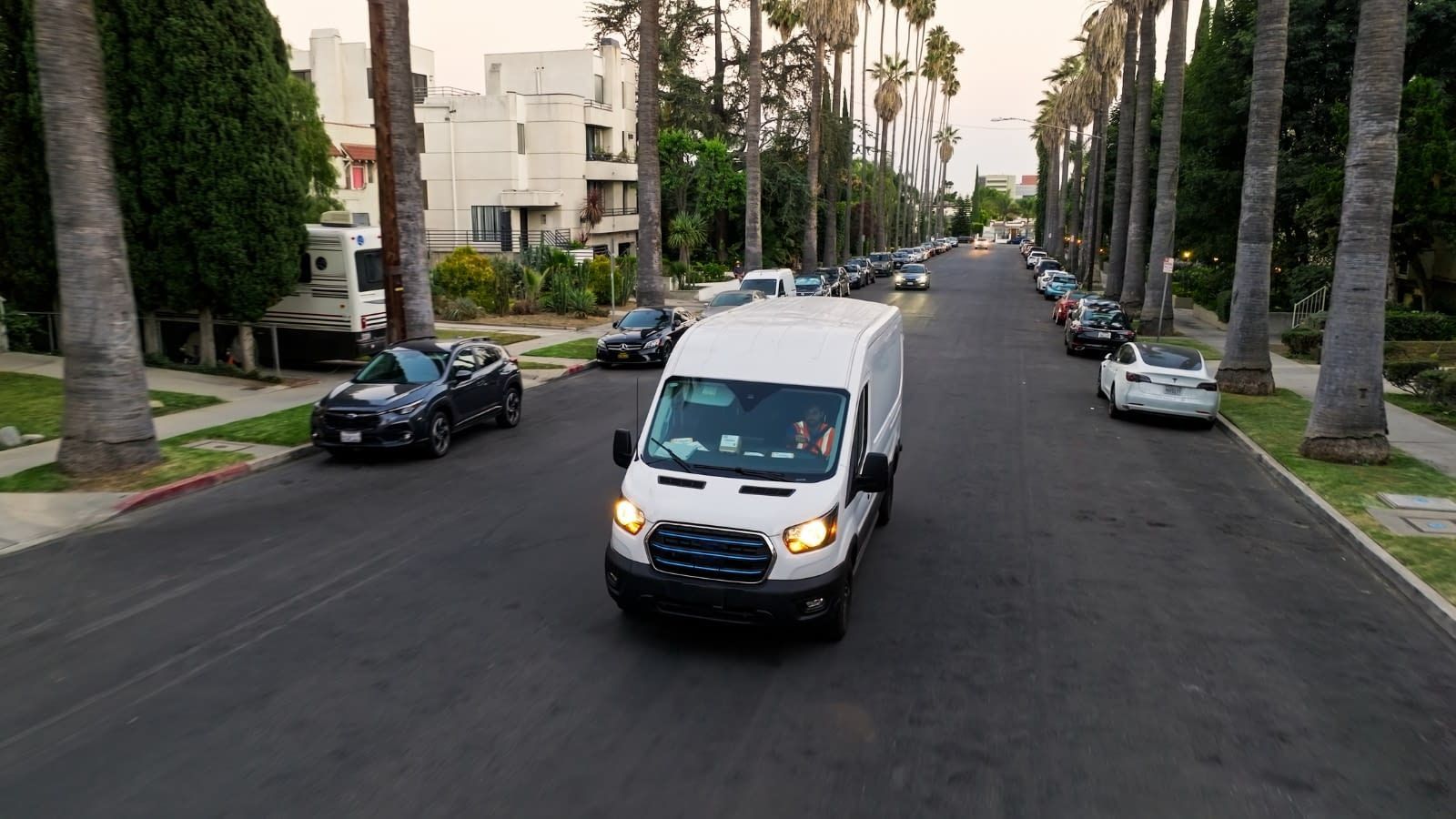
White cargo van driving down a palm-lined residential street at dusk.
By Insurance Neighbor • July 19, 2026
Whether your business relies on a single work truck or a fleet of delivery vans, the vehicles you use for business purposes likely need more than a standard personal auto insurance policy. Commercial auto insurance is designed to cover vehicles used for business operations and can provide protections that personal policies typically do not. Understanding the difference between the two can help business owners avoid…

Two people carrying boxes up stairs in a bright apartment during a move
By Insurance Neighbor • July 16, 2026
If you rent your home, apartment, or condo, you may assume that your landlord's insurance policy protects your belongings. Unfortunately, that's a common misconception—and a costly one. A landlord's insurance policy typically covers the physical structure of the building but not the personal property of the people who live in it. Renters insurance is designed to fill that gap, and it's often more affordable than…

Two coworkers collaborating at a desk with dual monitors in a bright office
By Insurance Neighbor • July 4, 2026
When most people think of cyberattacks, they picture large corporations making headline news after a major data breach. But the reality is that small businesses are frequent targets of cybercriminals—and often less prepared to handle the financial and operational fallout. Cyber liability insurance is designed to help businesses manage the costs associated with data breaches, ransomware attacks, and other cyber incidents. If your business stores…
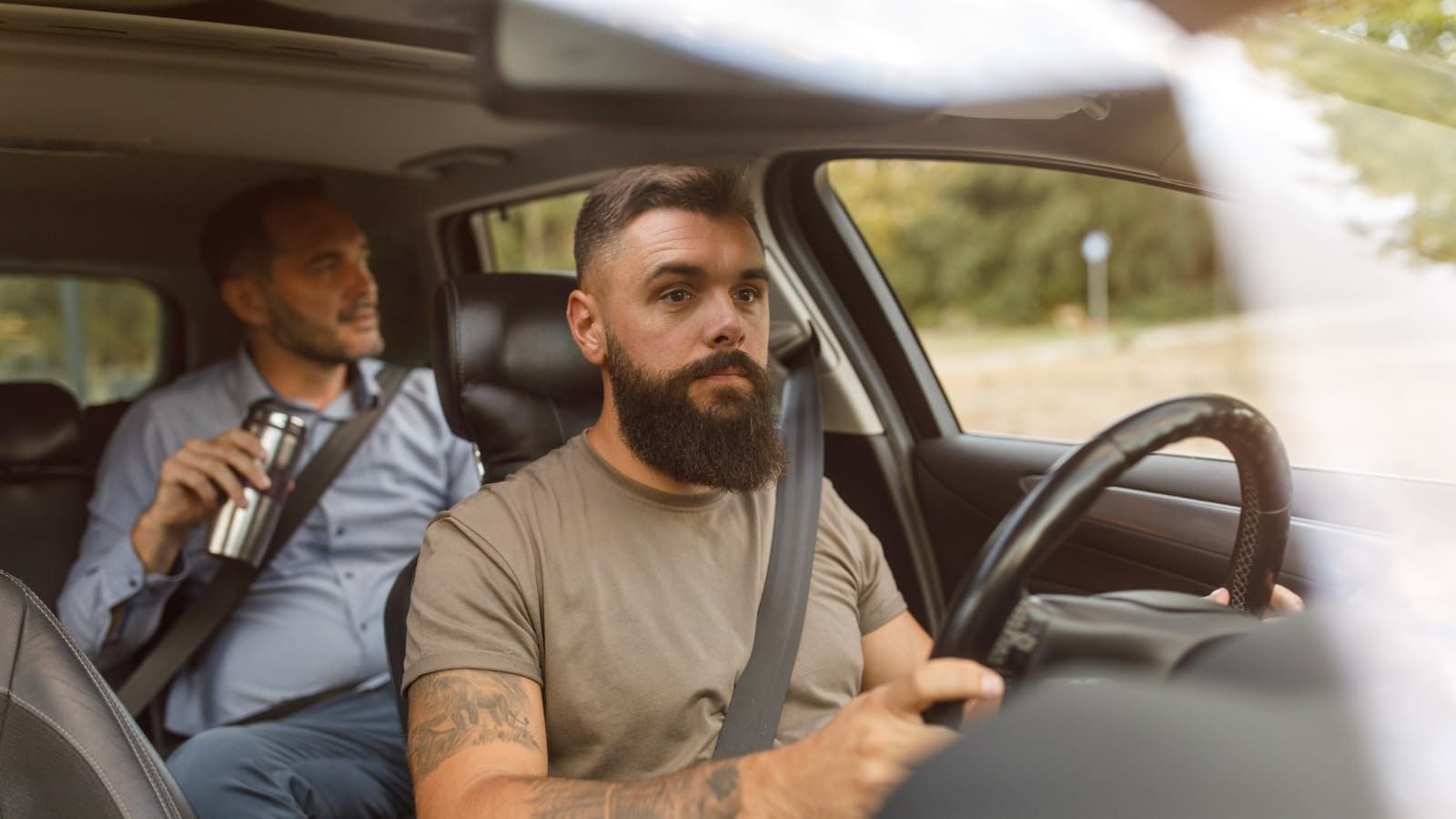
Two men in a car, one driving and one in the back seat drinking from a bottle
By Insurance Neighbor • July 1, 2026
Rideshare driving has become a popular way for millions of Americans to earn extra income. Whether you drive for a transportation network company full time or just on weekends, it's important to understand how your auto insurance applies—and where it may fall short. Many drivers are surprised to learn that their personal auto insurance policy may not cover them while they're working on a rideshare…

Person writing at a desk in a workshop, with boxes and tools on the walls and a laptop nearby.
By Insurance Neighbor • June 18, 2026
If you own a small or medium-sized business, you've probably heard the term "Business Owner's Policy" or BOP. It's one of the most common types of commercial insurance, but many business owners aren't sure exactly what it includes — or whether it's the right fit for their needs. Here's a clear breakdown. What Does a BOP Include? A Business Owner's Policy typically combines three core…

Two people laughing in a car, one driving and one clapping, with bright sunlight streaming in.
By Insurance Neighbor • June 16, 2026
School is out, the days are longer, and millions of Americans are gearing up for summer road trips. Before you load up the car and point it toward the horizon, it's worth taking a few minutes to understand what your auto insurance covers — and where the gaps might be. Does Your Current Coverage Travel With You? Good news: your personal auto insurance generally follows…

Person in apron writing on a clipboard at an outdoor coffee cart
By Insurance Neighbor • June 4, 2026
For many businesses, summer is the busiest and most profitable time of year. From restaurants and retail shops to contractors and event venues, the warmer months bring increased foot traffic, more employees, and new operational challenges. That also means new risks — and it's worth making sure your business insurance is ready for the season ahead. Increased Foot Traffic and Premises Liability More customers on…
Show More